Whipps, Inc. is the market leader for high quality custom fabricated gates and water control equipment.
| Monday: | 8am – 5pm |
|---|---|
| Tuesday: | 8am – 5pm |
| Wednesday: | 8am – 5pm |
| Thursday: | 8am – 5pm |
| Friday: | 8am – 5pm |
| Weekend | Closed |
| Series | 500 Series |
|---|---|
| Type | Gates & Flow Control, Specialty Structures |
| Category | Bulkhead Gate |
| Mounting Configurations | Embedded Mounting, Wall-Mounted |
| Materials | Aluminum |
| Size Range | 24" x 24" typically up to 96" x 96" – but we can typically accommodate any custom needs. |
| Industries | Environmental Restoration Projects, Navigation Locks and Canals, Flood Control Systems, Hydroelectric Power Plants, Industrial Water Systems, Mining Industry, Irrigation Systems, Municipal Stormwater Systems, Water and Wastewater Treatment Plants |
| Shape | Square, Rectangle |
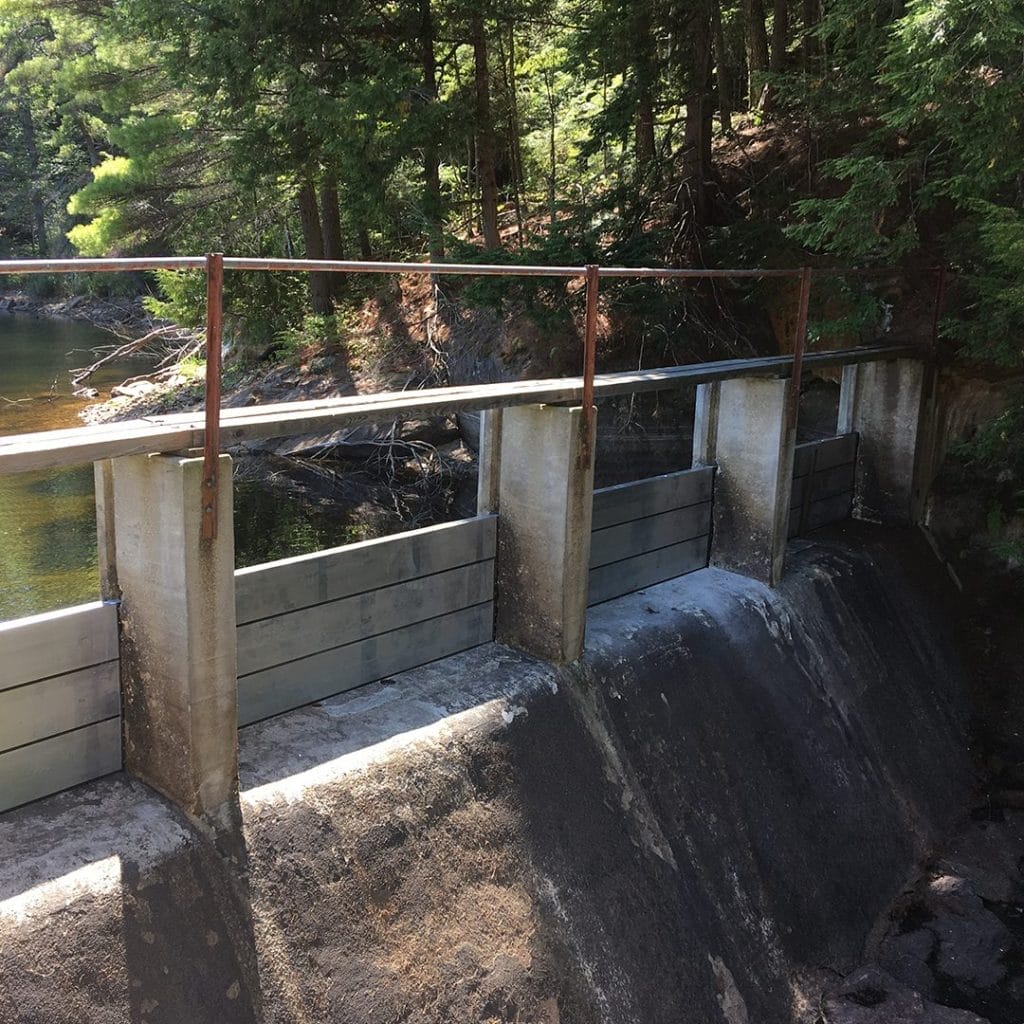
Whipps, Inc.’s 500 Series Bulkhead Gates are engineered for the most demanding flow control applications, offering heavy-duty performance in high head conditions and large waterways. Built with reinforced construction and precision fabrication, these gates are designed to provide long-term reliability, durability, and ease of use in municipal, industrial, and treatment facility environments.
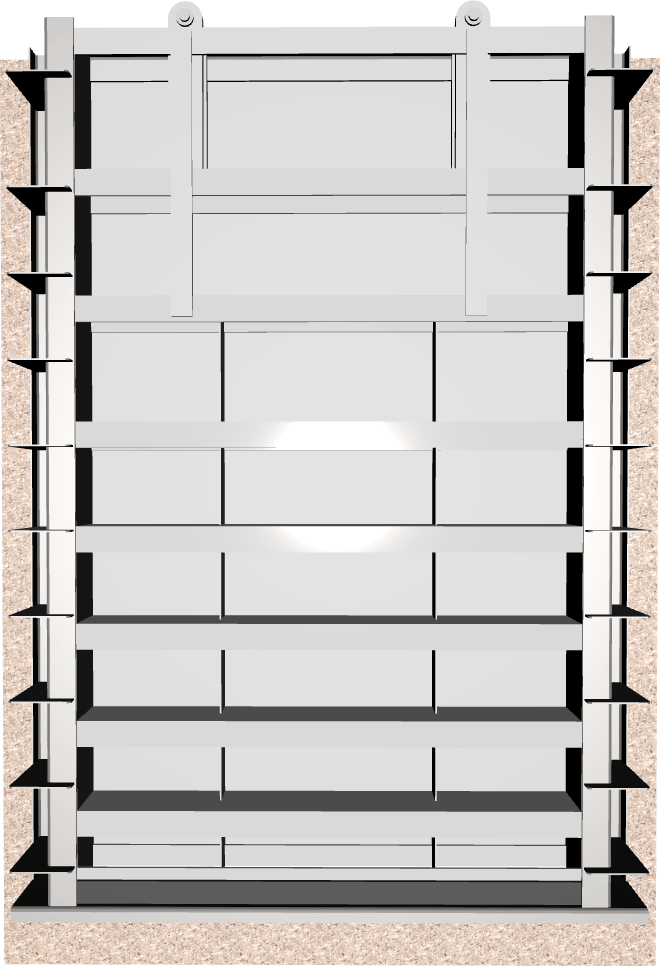
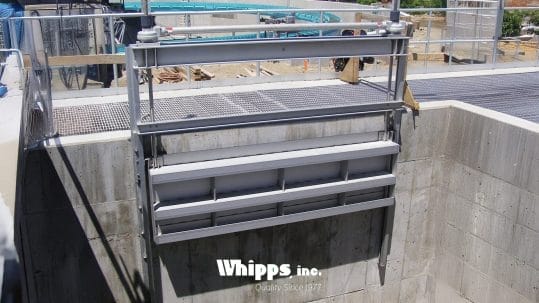
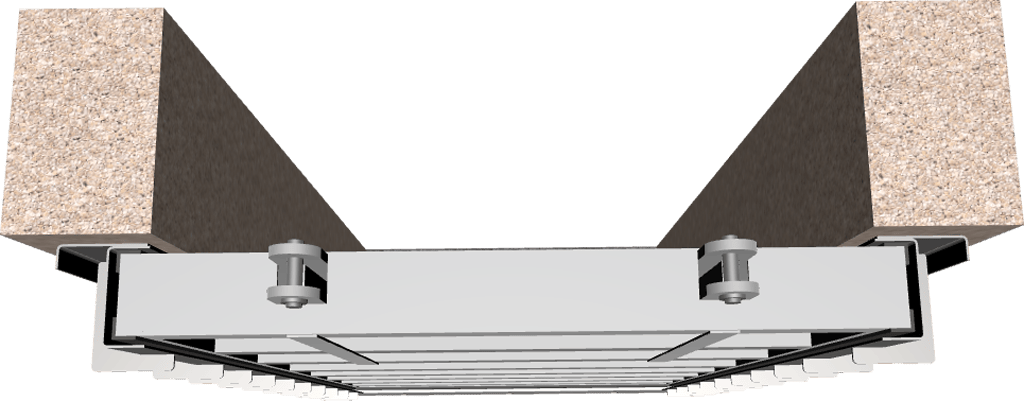
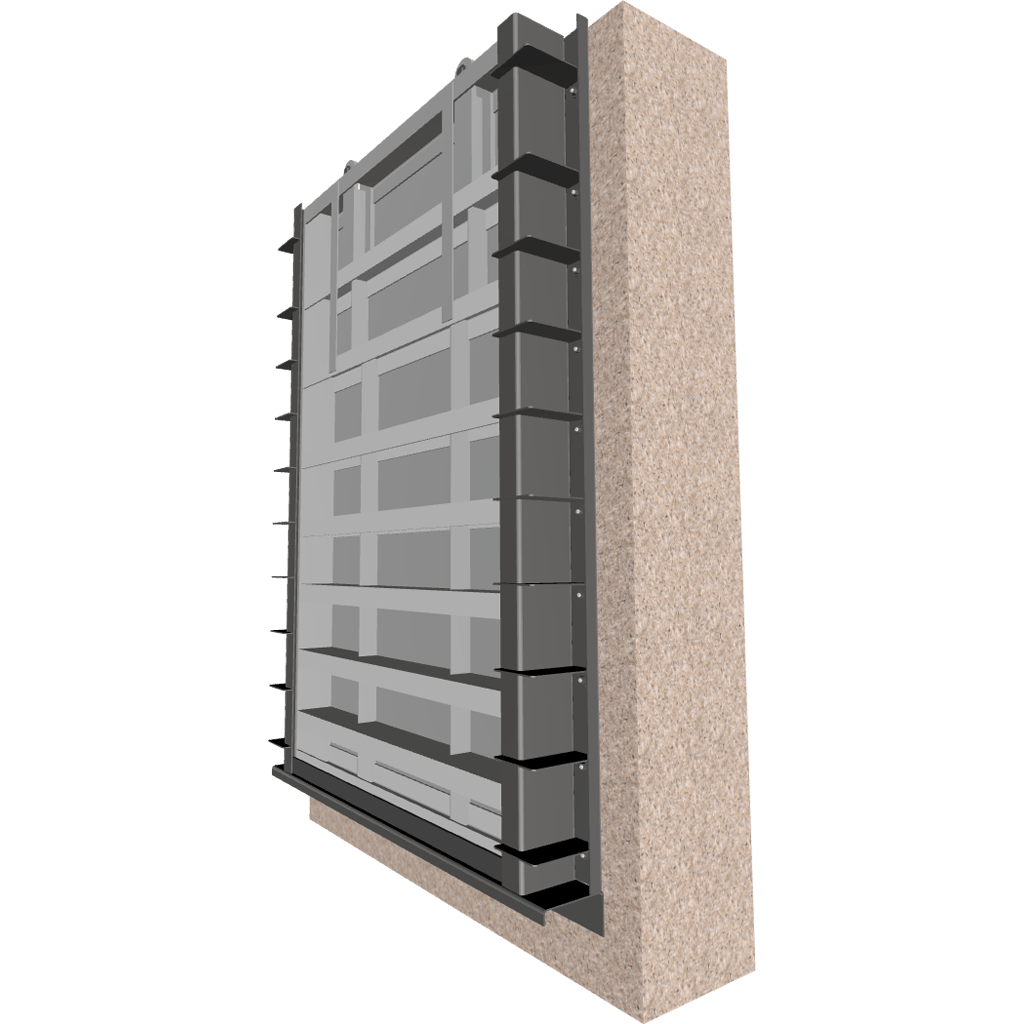
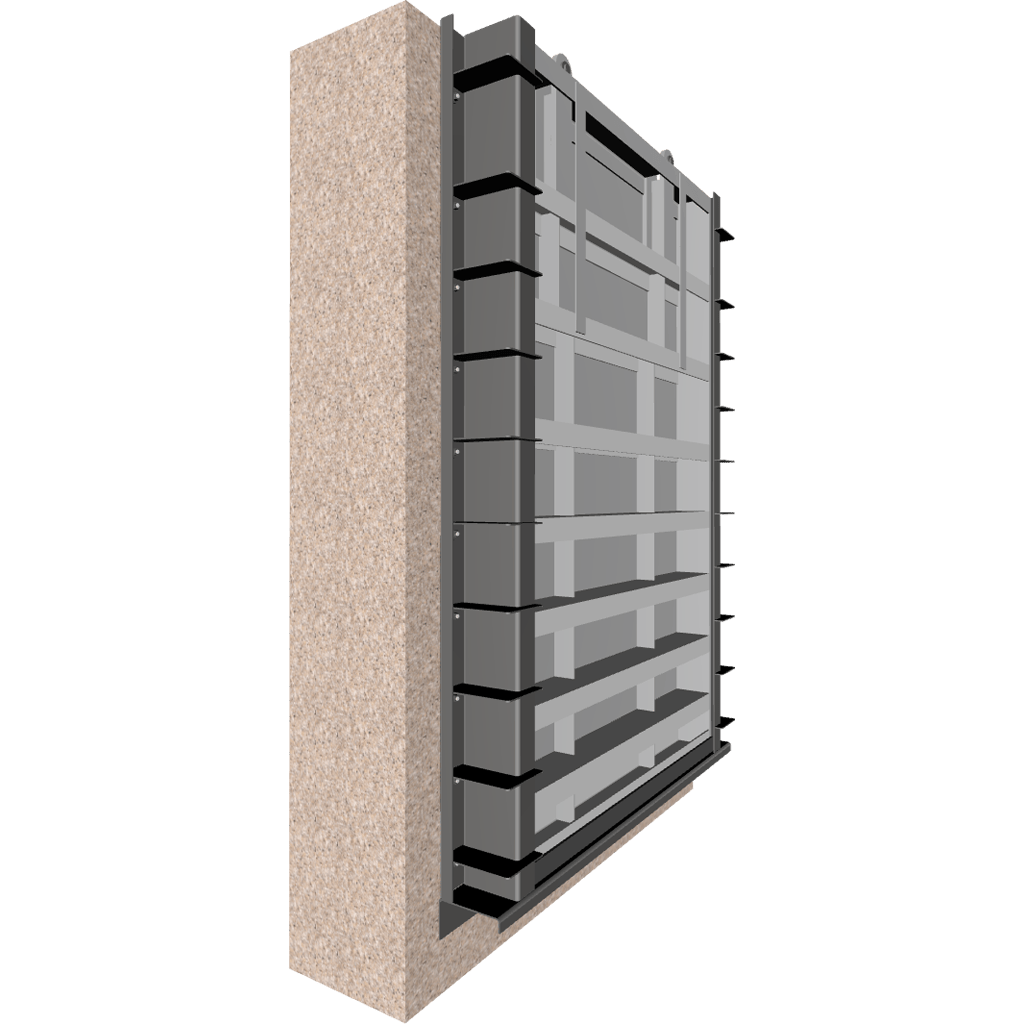
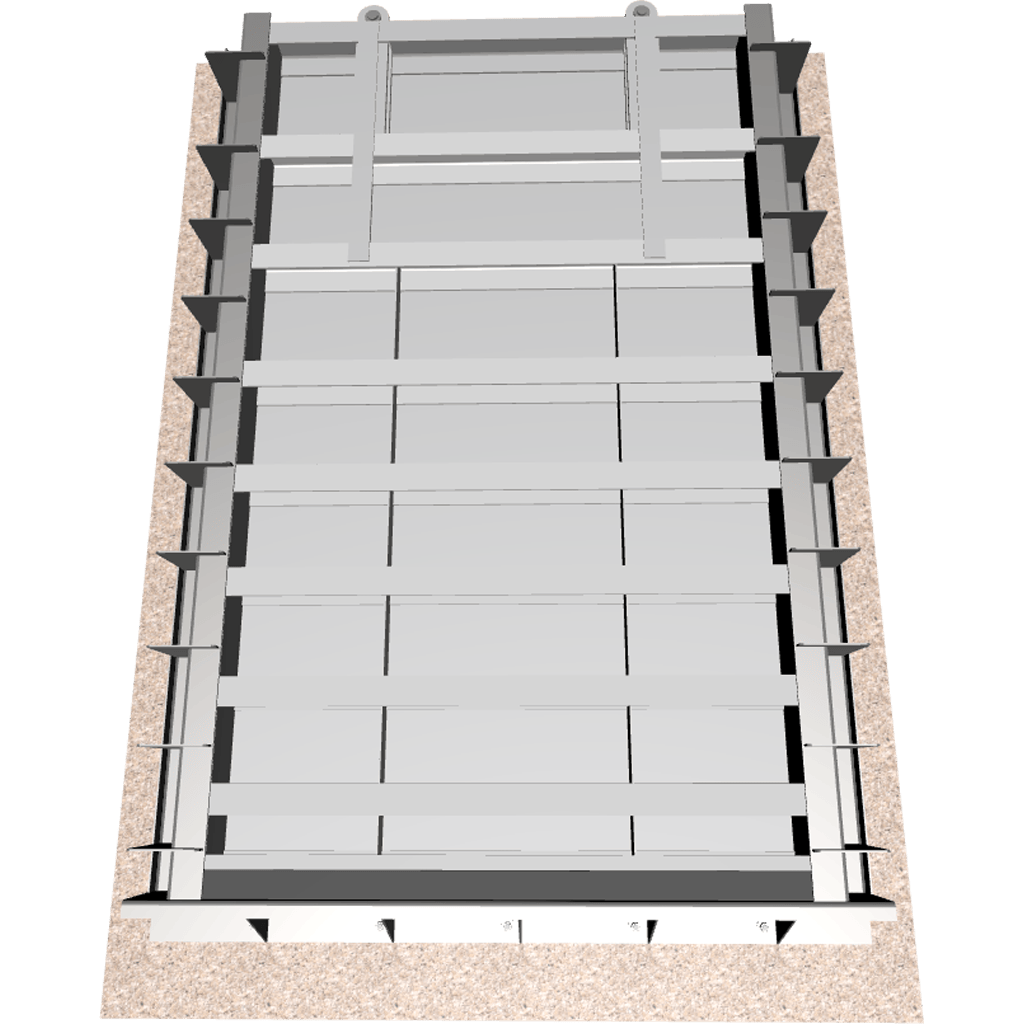
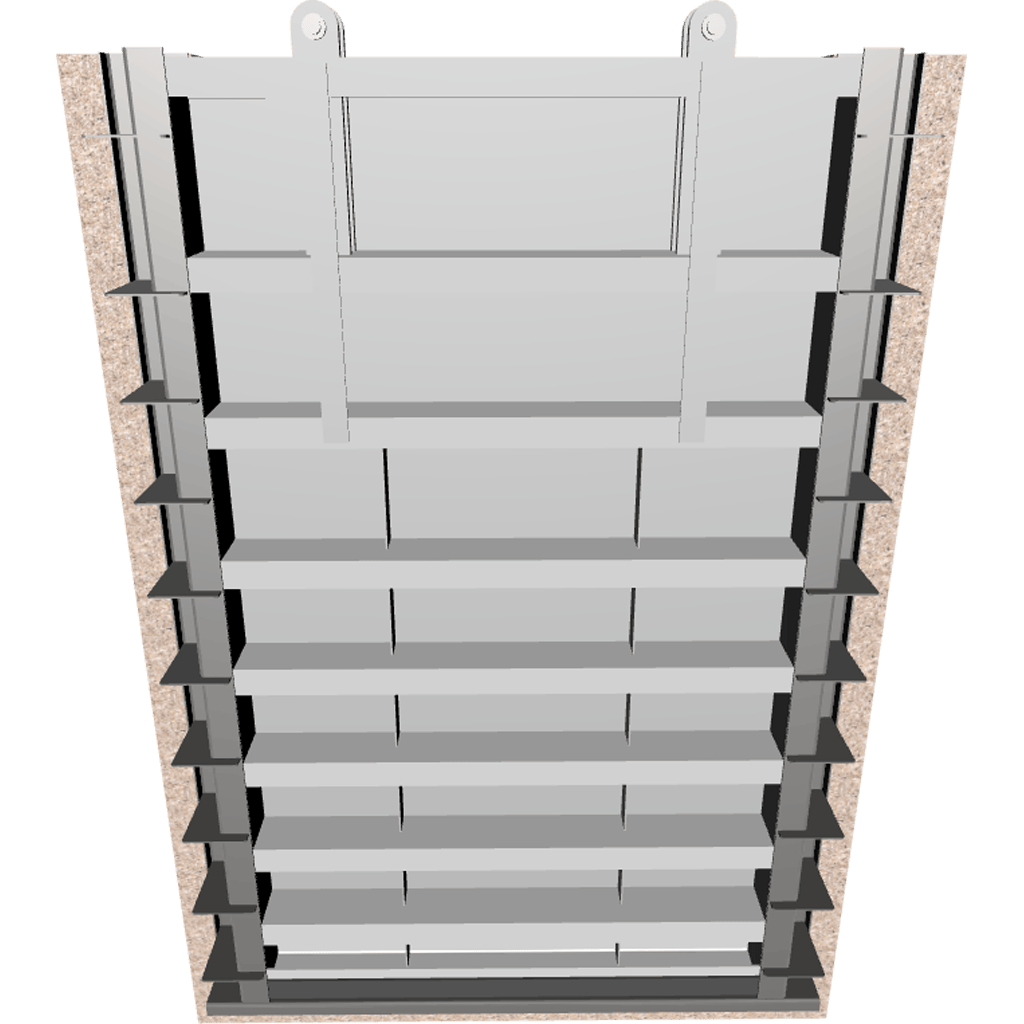
The Model 519 Bulkhead Gate functions as a heavy-duty aluminum stop gate, making it an ideal choice when corrosion resistance and lightweight handling are key considerations. Its large slide is manufactured from extruded aluminum (Alloy 6061-T6) and designed to withstand a maximum bending stress of 7,600 psi at the maximum head. To ensure a tight, low-leakage seal, resilient lip-type seals are attached along the sides and bottom of the slide. The frame, which includes two grooves and an invert member, is also constructed from Alloy 6061-T6 aluminum and comes supplied with stainless steel anchor bolts or aluminum anchor straps. The invert member is engineered specifically to minimize flow interference, enhancing overall hydraulic efficiency.
The Model 519-C Bulkhead Gate shares the same rugged, reinforced aluminum construction as the 519 model but is designed as a channel-mounted option. This configuration provides added versatility for installations where channel mounting offers improved accessibility or operational performance.
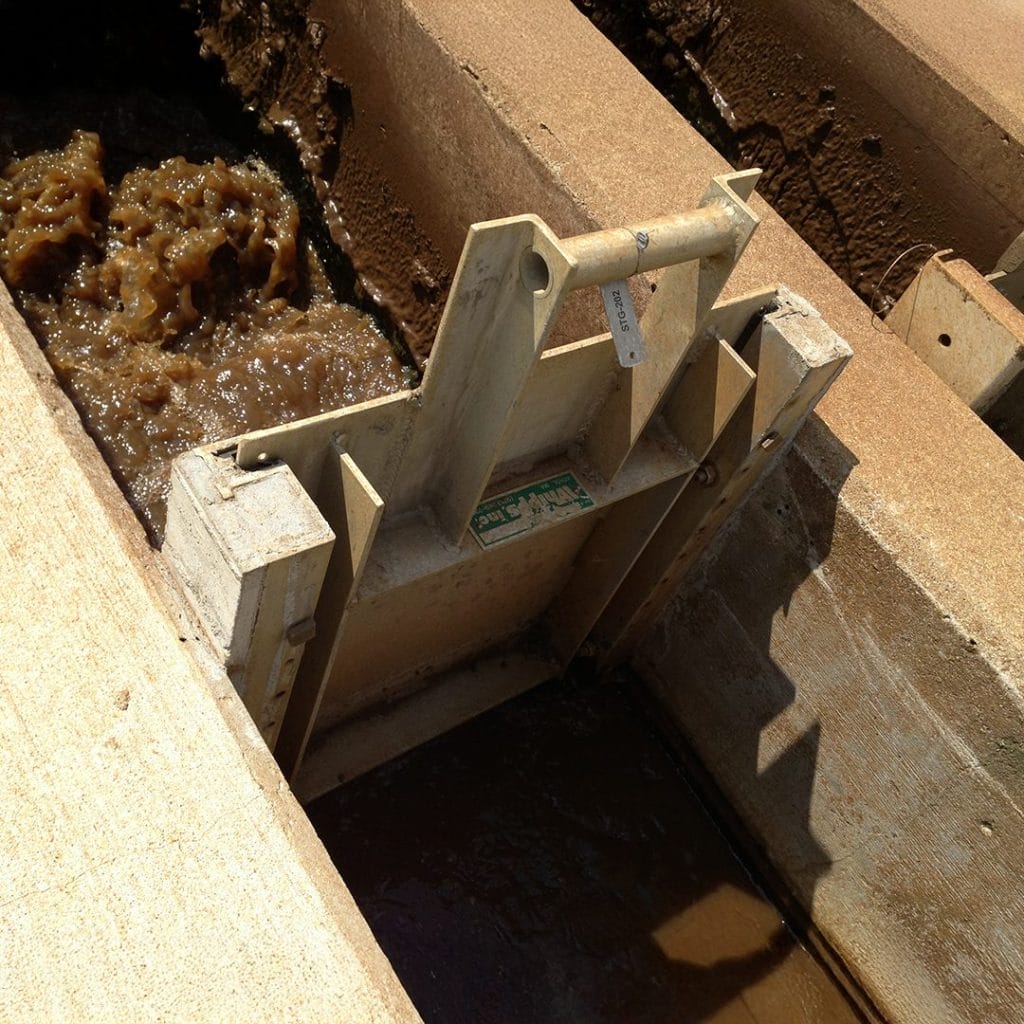
For applications requiring maximum strength and corrosion resistance, Whipps offers the Model Stainless Steel 529 Bulkhead Gate, constructed from stainless steel (Type 304 or 316). Like the aluminum models, the 529 model features a large, extruded stainless steel slide equipped with resilient lip-type seals along the sides and bottom to maintain reliable sealing performance. The stainless steel frame is built with two grooves and an invert member, supplied with stainless steel anchor bolts or straps, and designed to minimize flow interference. This makes the 529 bulkhead gate an excellent choice for the most aggressive operating conditions, including harsh water environments and facilities requiring long-term, low-maintenance solutions.
With options in both aluminum and stainless steel, and configurations for embedded or channel-mounted installations, Whipps 500 Series Bulkhead Gates provide a durable, adaptable, and dependable solution for controlling high head flows in critical water management systems.
Whipps, Inc. guarantees lower leakage than that listed in AW WA C-SOI- Cast Iron Sluice Gates or the latest revision, AWWA C-560 – Cast Iron Slide Gates. Whipps, Inc. will guarantee leakage of no more than 0.05 gpm/ft of seal perimeter in seating head and unseating head conditions. Including high head service.
Fabricated stainless steel gates almost always cost less than cast iron gates. As the size of the gate increases, the price difference increases. This is due to the manufacturing process (e.g. casting of parts and subsequent machining) required to produce cast iron gates.
The ultimate strength of stainless steel is in excess of twice the ultimate strength of cast iron and stainless steel has approximately twice the modulus of elasticity of cast iron.
Stainless steel resists corrosion better than cast iron. The uv stabilized UHMW seat/seals that are utilized on our stainless steel gates are field proven to maintain shape and integrity in demanding applications. Whipps, Inc. tested the UHMW seatjseals to confirm the ability to withstand continuous operation in an abrasive environment. The testing consisted of 25,000 gate open/close cycles in an abrasive media while experiencing only negligible wear. (Test results available upon request)
Unlike traditional cast iron gates, the slide will not “freeze” to the frame after long periods of inactivity. Whipps, Inc. stainless steel gates incorporate UHMW seat/seals to prevent any metal-to-metal contact between the slide and the frame.
The fabrication process required to turn raw materials into a stainless steel gate is quicker than the casting and machining process required to turn raw materials into a cast iron gate
The Series 900 stainless steel gates have a self-adjusting seal system that completely eliminates the need for field adjustment. This seal system was developed with the understanding that many gates are installed in locations where field adjustment of wedges is not practical or possible. Another drawback to a wedged system is that wedge adjustment is an inexact science. Wedge adjustment when attempted by inexperienced personnel can lead to additional leakage, difficult gate operation and increased localized gate stresses. The self-adjusting seal system is a combination of durable UHMW seatjseals and a resilient static spring/seal. The UHMW seat/seals are shaped to form a low friction, yet tight, seal with the slide. The spring/seal serves two main purposes: First; it acts as a bulb seal etween the frame and the UHMW seat/seal and secondly; it acts as a “spring” to ensure continuous contact between the UHMW seat; seals and the slide. The spring/seal is stationary, similar to an O-ring seal. and it is protected from wear or damage from the movable slide by the UHMW seatjseals. (Wedges can be provided on our Series 900, but they are not recommended since they do not improve the performance of our gate.)
Stainless steel gates do not require periodic painting, and require less operator attention compared to cast iron gates.
In the unusual event that the seat/seals are damaged, they can be replaced in the field with common tools. The gate does not have to be removed from the wall. If the seating surface on a cast iron gate is damaged, the gate will have to be removed from the wall and shipped back to the manufacturer for re-manufacture.
The process to design and manufacture fabricated gates allows for a nearly unlimited range of sizes. This is not the case with cast iron gates since new patterns or modifications to existing patterns are required to accommodate unusual sizes.
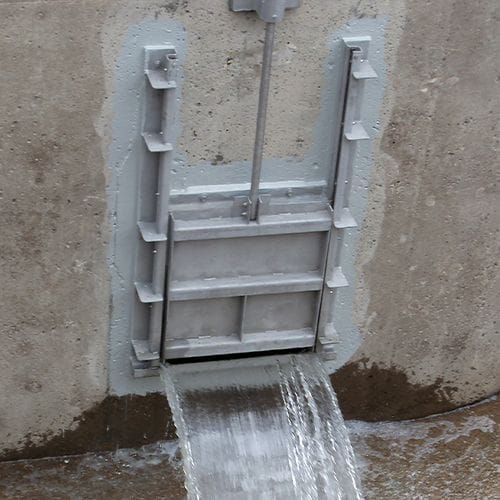
Gate frames may be embedded in the channel walls. mounted to a wall with anchor bolts, mounted to a pipe flange, or wall thimble. Wall thimble mounting is possible although it is usually only necessary for applications with high unseating heads. Gates can also be designed to mount to existing wall thimbles or existing pipe flanges. Flanged frames or flat frames are available for gates to cover square, rectangular or round openings in concrete structures.