






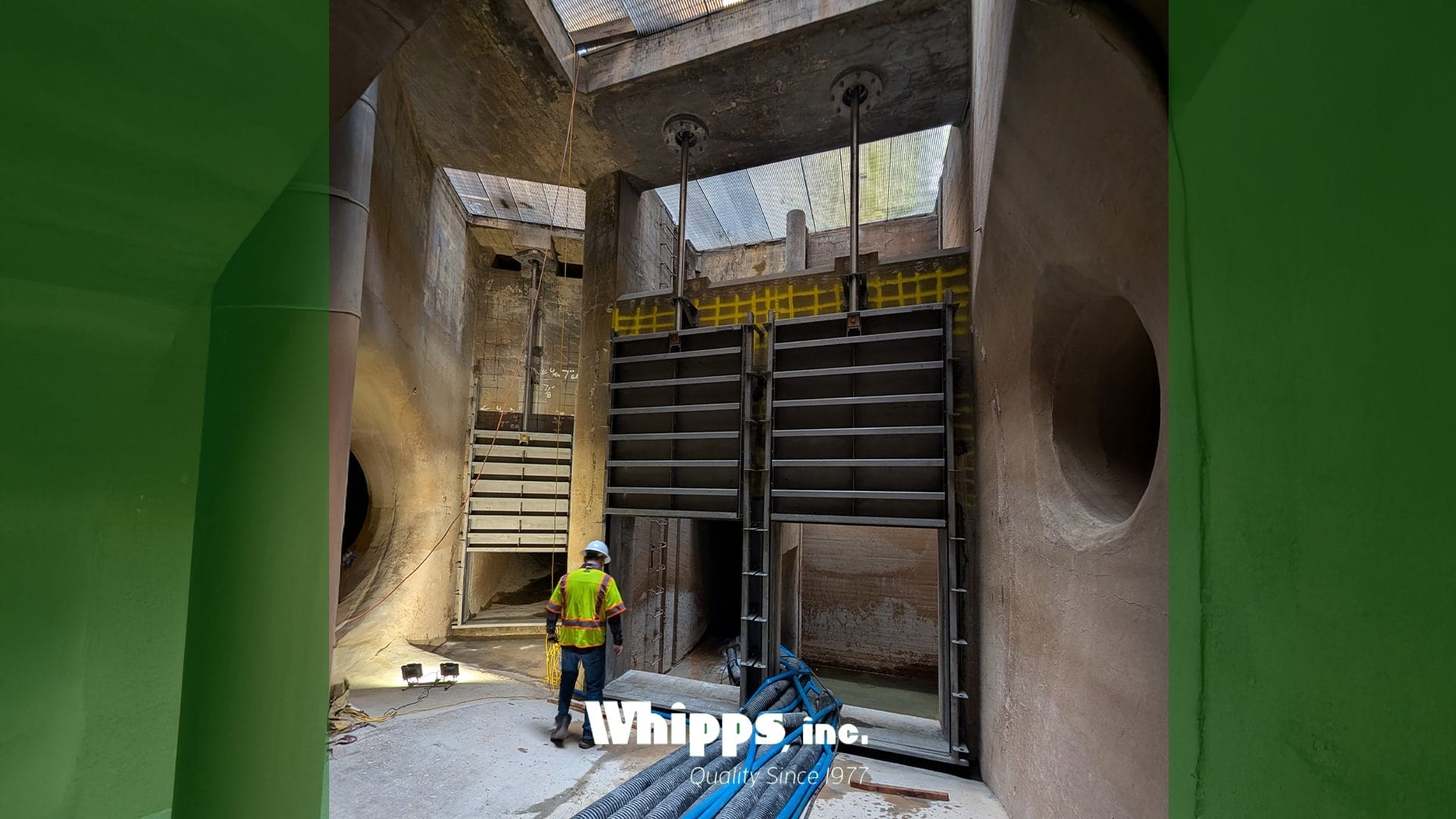
27 Feb Sluice Gates vs. Slide Gates: Choosing the Right Solution
Sluice Gates vs Slide Gates: Which One Do You Need?
When specifying flow control equipment for water, wastewater, irrigation, or flood control infrastructure, one of the most common questions engineers face is straightforward but critical: Should this project use a slide gate or a sluice gate?
While the two terms are sometimes used interchangeably in casual conversation, they are not the same. Each gate type is engineered for distinct hydraulic environments, sealing expectations, and installation conditions. Selecting the correct design from the start ensures reliable isolation, manageable operating forces, and long-term performance in the field.
Below is a practical breakdown to help clarify the difference — and ensure the equipment matches the application.
Sluice Gates: Built for Closed Systems and Higher Head
Sluice gates are designed for closed-channel or conduit systems where water must be fully contained. These gates are commonly installed in pipelines, culverts, pump stations, and water or wastewater treatment facilities.
Unlike slide gates, sluice gates feature resilient seals on all four sides of the gate leaf. This four-sided sealing configuration allows them to handle higher hydrostatic seating head and maintain isolation in environments where overtopping is not acceptable.
Because the water is constrained within a closed conduit, the gate must resist full pressure loading without allowing overflow. This makes sluice gates the preferred solution for buried installations or locations where several feet of water head may be present.
Sluice gates are typically selected when:
- The system is closed or pressurized (non-pipeline pressure, but fully enclosed)
- Higher seating head is expected
- Water must not spill over the gate
- Installation may occur below grade
The resilient seal system avoids metal-to-metal contact and supports consistent operation, even after long periods without movement.
Slide Gates: Designed for Open Channels
Slide gates are typically used in open-channel environments where water flows freely and is not fully enclosed within a pipe or conduit. Common examples include canals, stormwater channels, irrigation systems, and open weirs.
These gates are constructed with resilient side seals and an invert (bottom) seal that allow the gate to close against the frame while maintaining a flush bottom configuration. Because the invert is flush with the channel floor, slide gates are well-suited for applications where sediment transport, debris passage, or overtopping conditions may occur.
One important characteristic of slide gates is that water can flow over the top of the gate if upstream levels exceed the gate height. In many surface water applications, this behavior is not a flaw — it is expected and sometimes beneficial. Controlled overtopping can help manage storm events or variable water levels without creating pressure conditions.
Slide gates are often selected when:
- The opening is part of an open-channel system
- Moderate seating head is expected
- Overflow over the top of the gate is acceptable
- A flush invert condition is required
Leakage rates are typically low and defined by project specifications. The resilient sealing system can be adjusted to maintain performance over time.
What About Weir Gates?
Weir gates serve a different function altogether. Rather than isolating flow completely, a weir gate is designed to control water elevation or regulate discharge over a crest. The crest elevation determines the water level, and the gate adjusts to maintain the desired control condition.
Weir gates are commonly used in:
- Level control structures
- Overflow applications
- Flow measurement systems
- Water treatment processes requiring controlled upstream depth
Unlike slide or sluice gates, weir gates are not primarily isolation devices. They are flow control components engineered to manage water surface elevation.
Making the Right Selection
Choosing between a slide gate and a sluice gate begins with understanding the hydraulic condition:
- Is the water flowing in an open channel or enclosed conduit?
- Will the gate be subjected to moderate or high seating head?
- Is overtopping acceptable, or must the gate fully contain the water?
- What level of isolation is required?
By clearly defining these conditions, engineers can confidently select equipment designed specifically for the project’s environment.
In water control infrastructure, the difference between “slide” and “sluice” is more than terminology — it reflects how the gate interacts with flow, pressure, and sealing requirements. Matching the gate to the system ensures long-term reliability, proper performance, and reduced operational risk.
Need water control equipment that delivers on performance and reliability? Contact Whipps, Inc. today to see how our sluice gates can improve operational control at your water or wastewater treatment facility.