






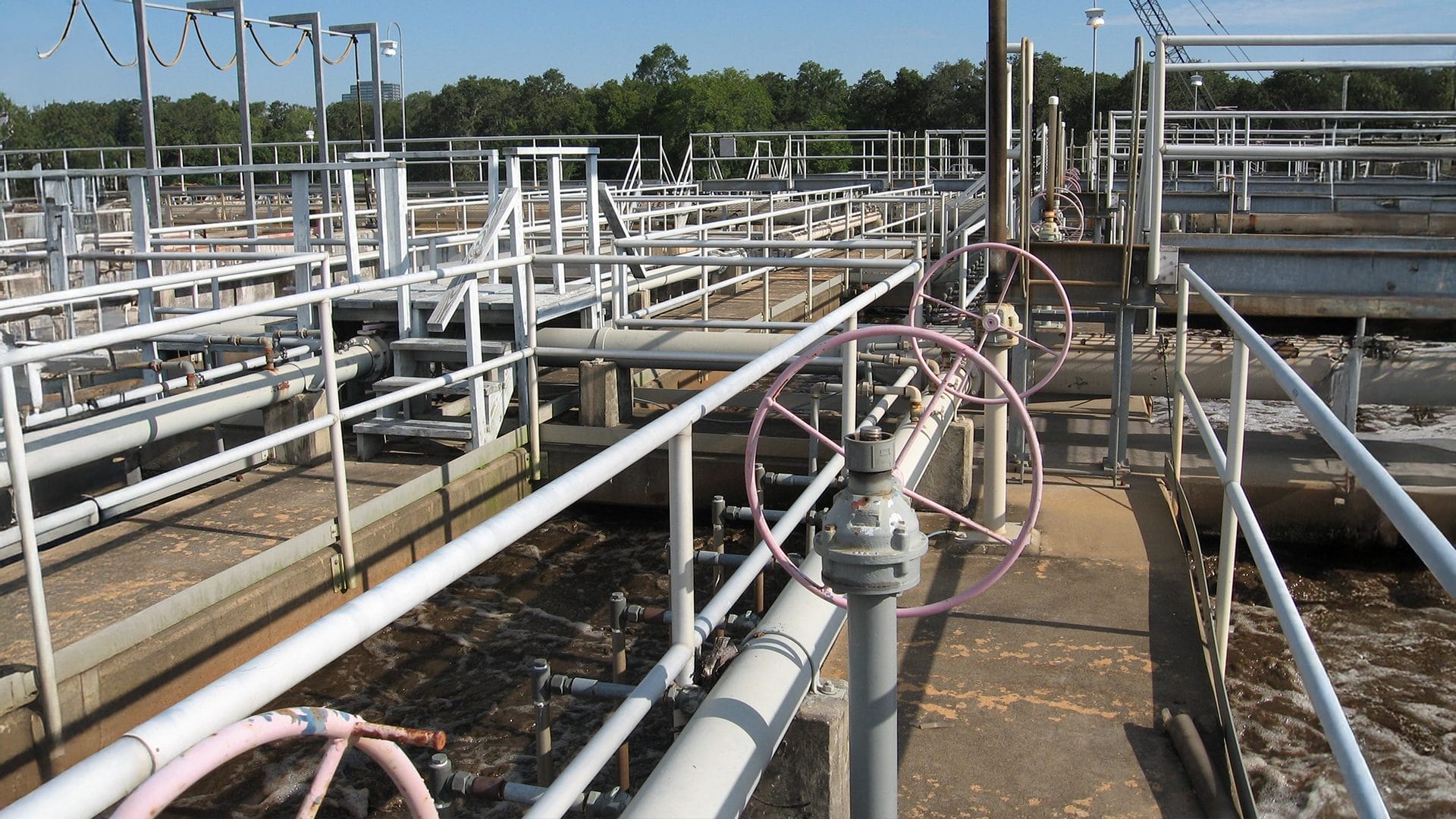
09 Dec Maintenance Tips for Water Control Equipment
Essential Maintenance Guide for Whipps Water Control Equipment
Ensuring long-term optimal performance for your Whipps water control solutions relies not just on initial installation—but on regular cleaning, inspection, and proper storage. From our robust 900 Series stainless steel sluice gates to the precision-engineered 300 Series butterfly valves, routine maintenance keeps everything functioning smoothly and extends the service life of your equipment. Here’s a series-by-series breakdown of key maintenance steps to protect your investment.
Water Control Equipment
🔧 900 Series – Stainless Steel Sluice Gates
- Visual Inspections
• Perform monthly inspections on frame and slide seals (UHMW or lip-type) for wear and debris buildup.
• Check bolts, actuator threads, and mounting hardware for tightness and alignment. - Seal & Lubrication Care
• Clean sealing surfaces with mild detergent; re-seat any loose seals.
• Lightly lubricate stainless steel stem threads and actuator parts with food-grade grease to prevent corrosion. - Functional Testing
• Operate the gate monthly through full travel to ensure smooth movement under pressure.
• Flush with clean water to remove sediment from seating surfaces. - Winterization Tip
• In sub-zero climates, drain the system fully or operate open to prevent freezing inside the gate.
🛠 800 Series – Aluminum Sluice Gates
- Structural Checks
• Inspect aluminum frame and slide plates for dings, dents, or fatigue.
• Verify UHMW seals are seating flush; none should be cracked. - Cleaning & Corrosion Watch
• Wash with mild soap to remove sediment and chlorides that can cause pitting.
• Remove oxidation with a soft brush and DSLR, gently re-apply a protective wax if needed. - Operational Health
• Cycle gate quarterly to ensure seals remain flexible.
• Realign guides or logs if side-to-side play becomes excessive.
🌀 700 Series – Mud Valves & Shear Gates
- Visual/Mechanical Inspection
• Check seals (O-rings or knife-edge) for erosion.
• Inspect valve faces and shear plates for gouges or bent edges. - Operational Maintenance
• Operate valves monthly under no-load conditions to prevent jamming.
• For high-solid applications, flush internals after every heavy use. - Seal Replacement & Storage
• Keep spare silicone or EPDM seals on hand; replace annually or when leakage occurs.
• Degrease internal parts and store valves in dry shade using a light coating of WD-40 or equivalent.
🏗 500 Series – Stop Logs & Stop Gates
- Routine Inspections
• Check top and edge seals after each deployment; disassemble logs to inspect frame guides for debris.
• Logs must not warp by more than 1/360 of width. - Seal Management
• Clean UHMW edge seals with isopropyl alcohol; replace cracked, delaminated, or damaged seals. - Storage on Rack
• After removal, store logs upright in a rack. Logs should be clean, dry, and apart to avoid surface abrasion.
• For stainless parts in humid conditions, apply light oil to protect against rust.
🚪 400 Series – Flap Gates
- Visual & Functional Check
• Inspect hinge assemblies, check for corrosion/rigging issues.
• Ensure flap closes fully under gravity. - Seal & Surface Care
• Clean seals with mild soap and rinse well. • Check face seal gaskets (rubber/UHMW) quarterly. - Hinge & Plate Maintenance
• Lubricate stainless hinge pins annually.
• Clean plate contact surfaces to ensure full closure and prevent leaks.
💡 300 Series – Telescoping & Butterfly Valves
- Stem & Seat Inspection
• Check rising stems or butterfly disc shafts for smooth operation and corrosion. - Seal & Disc Inspection
• Inspect UHMW/rubber seals for leveling and damage; replace as needed.
• For butterfly valves, verify disc seating rings maintain tight seal without excessive play. - Operational Testing
• Cycle quarterly to prevent sticking; flush or degrease as appropriate. - Storage & Lubrication
• Store valves in mid-cycle position in dry, shaded space.
• Lightly coat exposed stainless parts to prevent RIF.
🛡 General Best Practices for All Series
- Record Maintenance Events
• Keep a log with timestamps, who performed maintenance, and what was done.
• Note seal replacements, part upgrades, or observed wear. - Seasonal Preparations
• In summer, clear debris and sediment. In winter, purge or operate open/closed to avoid freezing. - Training & Spare Parts
• Ensure operators are trained on handling sensors, seals, and basic lubrication.
• Keep spares (seals, gaskets, wrench sets) onsite for emergency repairs.
Conclusion
A proactive maintenance schedule—monthly inspections, timely seal replacements, and thoughtful seasonal care—ensures Whipps water control equipment stays leak‑free, dependable, and long‑lasting. With over 45 years of industry experience, our products are engineered for rugged environments. Following these simple guidelines will help you maximize performance and reduce downtime. If you’d like customer-specific templates, videos, or spare part support, feel free to reach out to our team today!
📞 +1 (978) 249‑7924
📧 sales@whipps.com
🌐 www.whipps.com