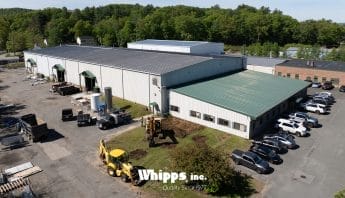
Whipps, Inc. is the market leader for high quality custom fabricated gates and water control equipment.
| Monday: | 8am – 5pm |
|---|---|
| Tuesday: | 8am – 5pm |
| Wednesday: | 8am – 5pm |
| Thursday: | 8am – 5pm |
| Friday: | 8am – 5pm |
| Weekend | Closed |
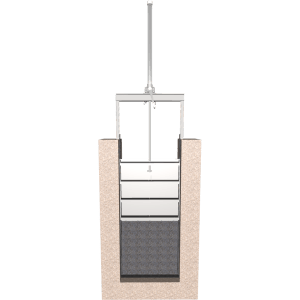
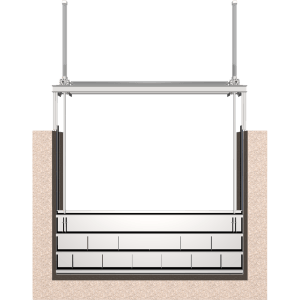
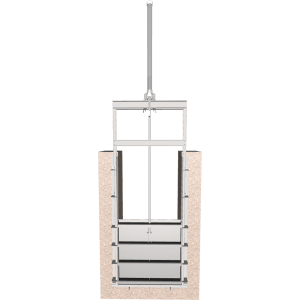
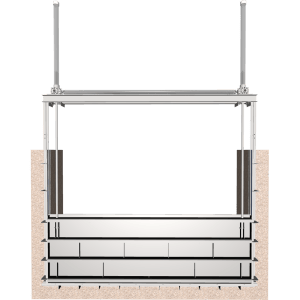
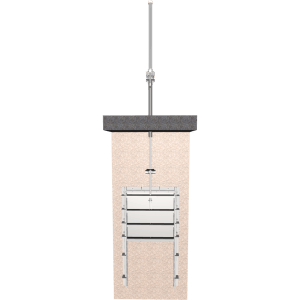
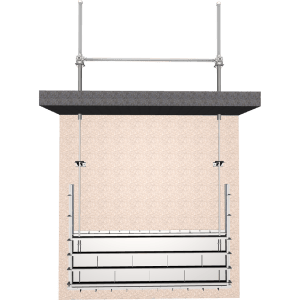
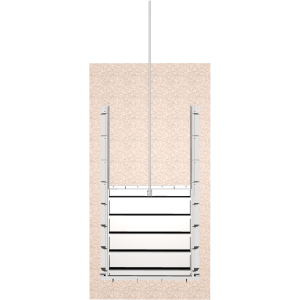
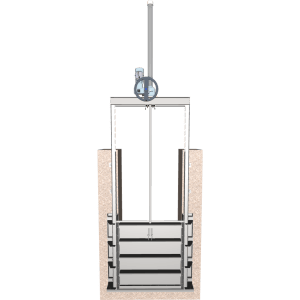
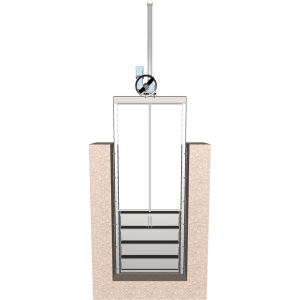
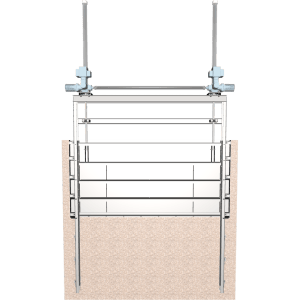
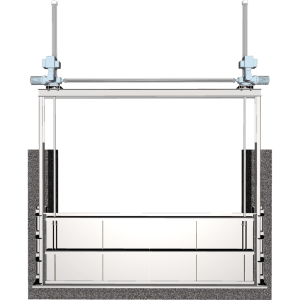
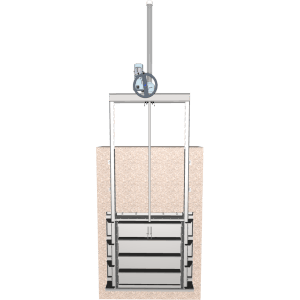
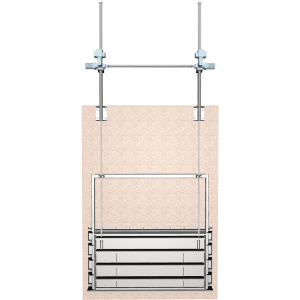
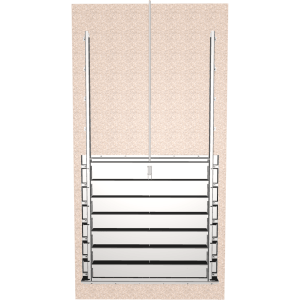
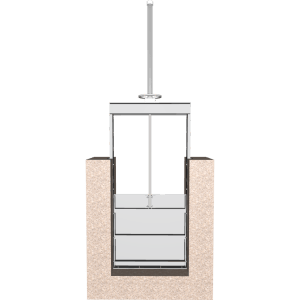
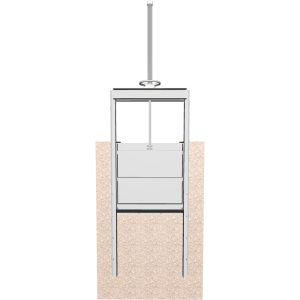
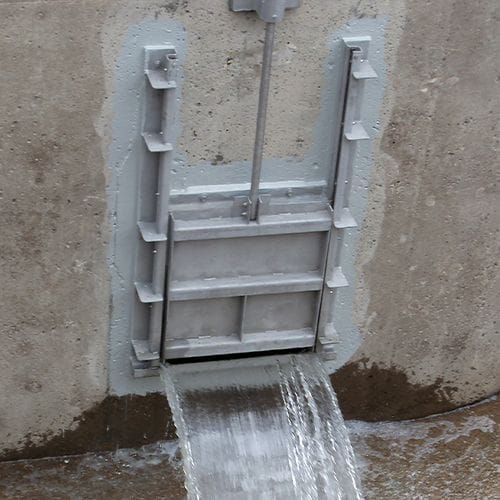
Looking for industry-leading sluice gates for your water treatment facility? The 900 Series Stainless Steel Sluice Gates from Whipps, Inc. are engineered for precise water management in even the most demanding environments. With models designed from standard to heavy-duty service, the 900 Series delivers a versatile, high-performance solution for controlling flow in municipal, industrial, and environmental applications. Built for long life and dependable operation, these gates combine rugged stainless steel fabrication with precision sealing to ensure consistent performance year after year.
A hallmark of the 900 Series is its range of subcategories, allowing for cost-effective production while matching the exact needs of each site. Gate selection is based on a simple formula: Width × Head. If the total is 80 or less, the Model 920 standard-duty gate is ideal. Totals over 80 and up to 120 call for the Model 930 medium-duty design, while higher loads or larger openings may require the extra strength of the Model 950 heavy-duty configuration. This sizing method ensures that every installation gets the right balance of strength, efficiency, and cost-effectiveness.
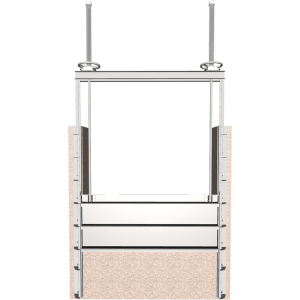
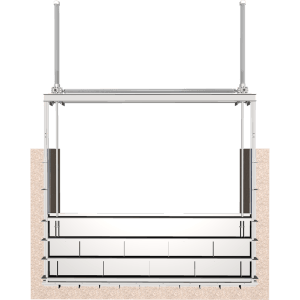
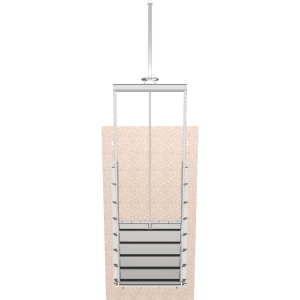
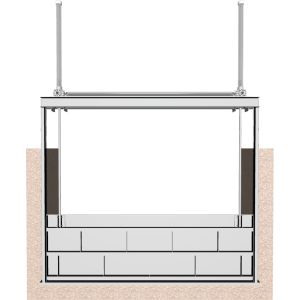
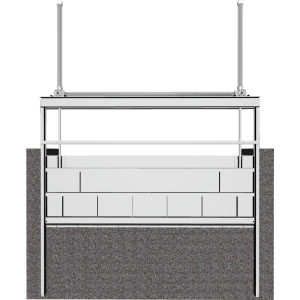
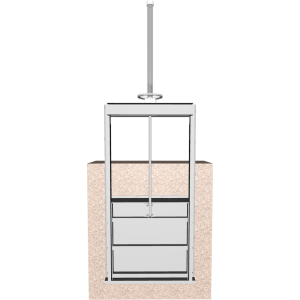
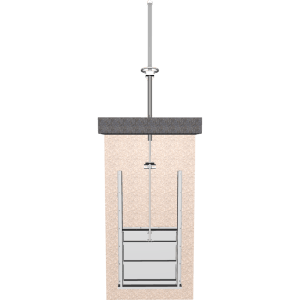
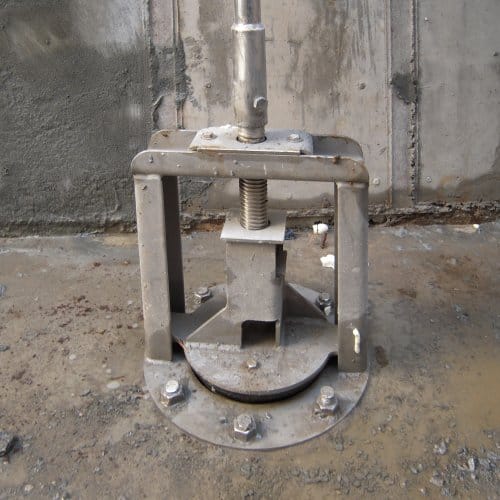
All 900 Series sluice gates feature customizable frame designs to accommodate wall mounting, channel mounting, or embedded installation. The reinforced stainless steel slide is guided smoothly within the frame and raised or lowered as needed for precise control. Depending on gate width, a second stem can be added to maintain even movement and minimize stress during operation.
Stainless steel construction provides superior corrosion resistance and structural strength. Material properties essential for facilities facing high head pressures, fluctuating water levels, or corrosive environments. Like most Whipps, Inc. products, they feature UHMW seat/seals that offer a resilient yet long-lasting barrier that reduces leakage and improves sealing performance. A durable bottom seal ensures a tight, flush closure, enhancing safety and efficiency in isolation, shutoff, or flow separation applications.
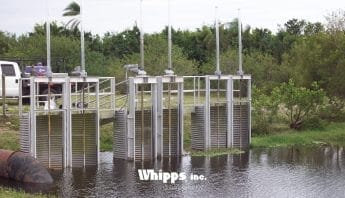
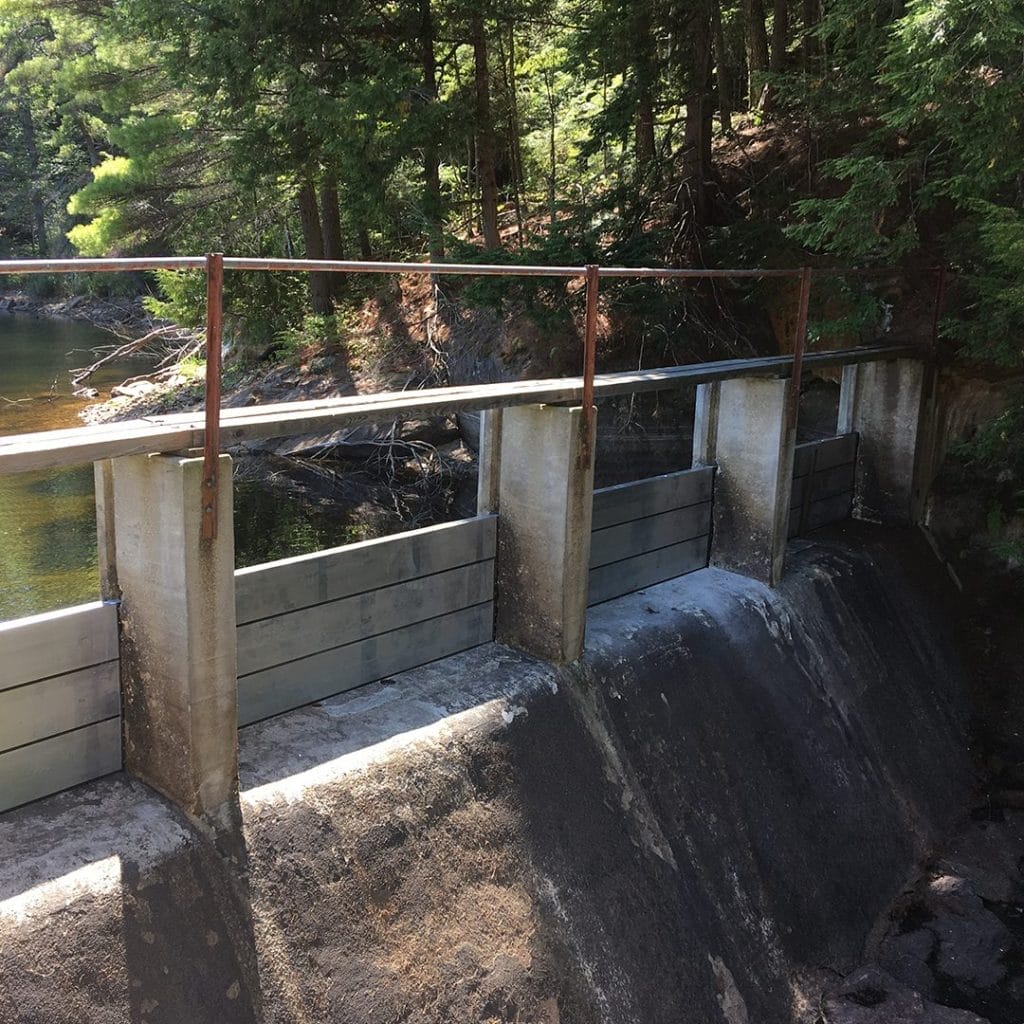
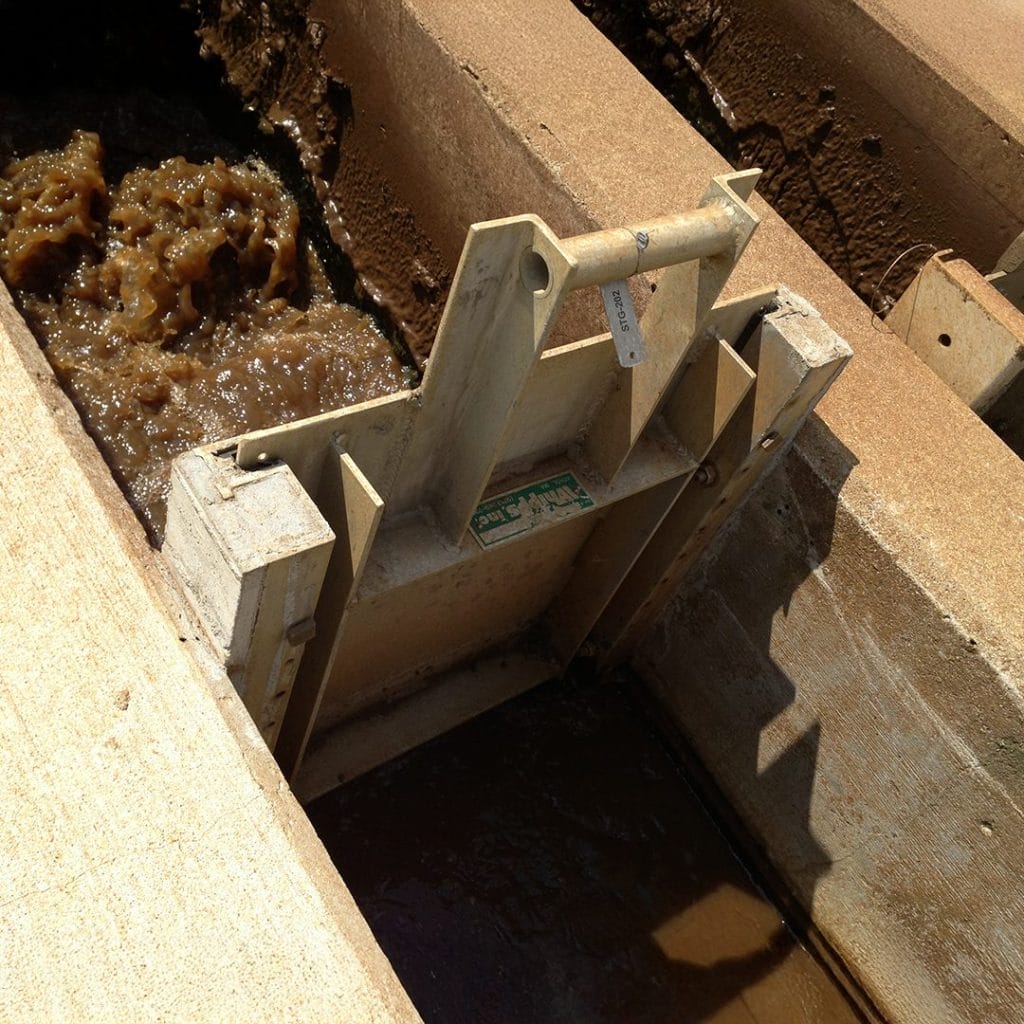
Sluice gates available in standard 920, 930, and heavy-duty 950 designs, the 900 Series adapts easily to varied site conditions and operational requirements. From wastewater treatment plants to flood control systems, these gates provide reliable, low-maintenance performance with minimal downtime. The 900 Series Stainless Steel Gates from Whipps, Inc. represent a top choice for precise water management for projects large and small. Our commitment to excellence ensures that you receive a sluice gate that meets your exact requirements and performs reliably over time.
The 900 Series Stainless Steel Gates combine precision engineering, durable materials, and application-specific sizing to deliver unmatched water control performance. Backed by Whipps, Inc.’s commitment to quality, these gates are built to meet your exact specifications and perform reliably for decades.
Whipps, Inc. guarantees lower leakage than that listed in AW WA C-SOI- Cast Iron Sluice Gates or the latest revision, AWWA C-560 – Cast Iron Slide Gates. Whipps, Inc. will guarantee leakage of no more than 0.05 gpm/ft of seal perimeter in seating head and unseating head conditions. Including high head service.
Fabricated stainless steel gates almost always cost less than cast iron gates. As the size of the gate increases, the price difference increases. This is due to the manufacturing process (e.g. casting of parts and subsequent machining) required to produce cast iron gates.
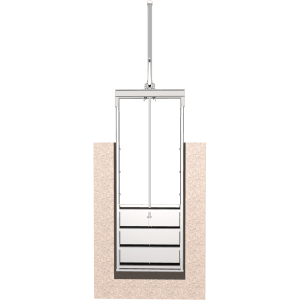
The ultimate strength of stainless steel is in excess of twice the ultimate strength of cast iron and stainless steel has approximately twice the modulus of elasticity of cast iron.
Stainless steel resists corrosion better than cast iron. The uv stabilized UHMW seat/seals that are utilized on our stainless steel gates are field proven to maintain shape and integrity in demanding applications. Whipps, Inc. tested the UHMW seatjseals to confirm the ability to withstand continuous operation in an abrasive environment. The testing consisted of 25,000 gate open/close cycles in an abrasive media while experiencing only negligible wear. (Test results available upon request)
Unlike traditional cast iron gates, the slide will not “freeze” to the frame after long periods of inactivity. Whipps, Inc. stainless steel gates incorporate UHMW seat/seals to prevent any metal-to-metal contact between the slide and the frame.
The fabrication process required to turn raw materials into a stainless steel gate is quicker than the casting and machining process required to turn raw materials into a cast iron gate
The Series 900 stainless steel gates have a self-adjusting seal system that completely eliminates the need for field adjustment. This seal system was developed with the understanding that many gates are installed in locations where field adjustment of wedges is not practical or possible. Another drawback to a wedged system is that wedge adjustment is an inexact science. Wedge adjustment when attempted by inexperienced personnel can lead to additional leakage, difficult gate operation and increased localized gate stresses. The self-adjusting seal system is a combination of durable UHMW seatjseals and a resilient static spring/seal. The UHMW seat/seals are shaped to form a low friction, yet tight, seal with the slide. The spring/seal serves two main purposes: First; it acts as a bulb seal etween the frame and the UHMW seat/seal and secondly; it acts as a “spring” to ensure continuous contact between the UHMW seat; seals and the slide. The spring/seal is stationary, similar to an O-ring seal. and it is protected from wear or damage from the movable slide by the UHMW seatjseals. (Wedges can be provided on our Series 900, but they are not recommended since they do not improve the performance of our gate.)
Stainless steel gates do not require periodic painting, and require less operator attention compared to cast iron gates.
In the unusual event that the seat/seals are damaged, they can be replaced in the field with common tools. The gate does not have to be removed from the wall. If the seating surface on a cast iron gate is damaged, the gate will have to be removed from the wall and shipped back to the manufacturer for re-manufacture.
The process to design and manufacture fabricated gates allows for a nearly unlimited range of sizes. This is not the case with cast iron gates since new patterns or modifications to existing patterns are required to accommodate unusual sizes.
Gate frames may be embedded in the channel walls. mounted to a wall with anchor bolts, mounted to a pipe flange, or wall thimble. Wall thimble mounting is possible although it is usually only necessary for applications with high unseating heads. Gates can also be designed to mount to existing wall thimbles or existing pipe flanges. Flanged frames or flat frames are available for gates to cover square, rectangular or round openings in concrete structures.


Looking for a lightweight, cost-effective alternative to stainless steel sluice gates? The 800 Series Aluminum Gates from Whipps, Inc. deliver reliable water management performance in municipal, industrial, and environmental applications. Our aluminum sluice gates are manufactured with the durability and corrosion resistance you expect from Whipps products. Engineered with the same precision and quality as our stainless-steel gates, the 800 Series offers a versatile, economical solution for projects where reduced weight and lower cost are advantages without sacrificing long-term performance.
A hallmark of the 800 Series is its range of models tailored to site conditions and installation needs. The 821 model is designed for embedded mounting, offering secure performance in concrete structures. The 823 slide gate serves as a standard slide gate, built without a top seal to allow controlled overflow when water levels rise above the slide. For installations requiring added sealing, the 824 sluice gate includes a top seal, classifying it as a true sluice gate for handling slightly higher pressures. The 825 model is a non-self-contained design, relying on pedestals and operators for flexibility in wall- or floor-mounted setups. This range ensures that every installation has an aluminum gate optimized for its specific application.
Like their stainless-steel counterparts, the 800 Series features customizable frames for wall mounting, channel mounting, or embedding. Each reinforced aluminum slide is guided within the frame for smooth travel, and depending on gate width, dual-stem operation can be incorporated for balanced, consistent movement. All gates are fitted with UHMW seat/seals and resilient bottom seals, minimizing leakage while ensuring a tight, dependable closure.
Aluminum construction not only provides excellent corrosion resistance and structural integrity but also makes these gates easier to handle, install, and maintain. With slide thicknesses ranging from 1/4” to 3/8”, the 800 Series is built to withstand continuous service while reducing installation challenges compared to heavier materials. The result is a cost-effective sluice gate solution that maintains Whipps’ standard of performance and reliability.
From irrigation channels and treatment plants to flood control systems, the 800 Series Aluminum Gates represent a proven choice for precise, long-lasting water control. Backed by Whipps, Inc.’s decades of expertise, these gates combine lightweight design, durable sealing, and flexible configurations to deliver dependable operation for decades.
Whipps, Inc. provides a leakage guarantee that surpasses the specifications outlined in AWWA C-501 for Cast Iron Sluice Gates or the most recent revision of AWWA C-560 for Cast Iron Slide Gates. Our commitment ensures leakage rates not exceeding 0.10 gpm/ft of seal perimeter under both seating head and unseating head conditions, even in high head service scenarios.
Fabricated aluminum gates usually provide a cost advantage over cast iron gates. The manufacturing process for aluminum gates is generally less expensive than that of cast iron, stainless steel, and fiberglass gates.
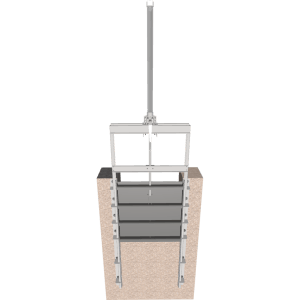
Aluminum has proved to be a suitable material to use in most water and wastewater. Our aluminum gates feature UV-stabilized UHMW seat/seals, which are field proven to maintain shape and integrity in demanding applications. Whipps, Inc. conducted rigorous testing on UHMW seat/seals. Subjecting them to 25,000 gate open/close cycles in an abrasive media to validate their ability to withstand continuous operation with minimal wear. (Test results available upon request.)
The slide of the aluminum gate will not ‘freeze’ to the frame after extended periods of inactivity. This is achieved through the inclusion of UHMW seat/seals, which effectively eliminate metal-to-metal contact between the slide and the frame.
The process of fabricating an aluminum gate from raw materials is notably quick, particularly because Whipps, Inc. keeps most materials in stock.
The aluminum gates that Whipps, Inc. offer are equipped with a self-adjusting seal system that eliminates the need for field adjustments. A solution particularly advantageous for gates installed in locations where such adjustments are impractical or unfeasible. This advanced system cannot be replicated by the imprecise method of adjusting wedges, which can lead to increased leakage, localized stress, and difficulty during gate operation. Our self-adjusting seal system consists of UHMW, much more durable than rubber J or P seals. While rubber seals can crack, flatten, and/or adhere to the slide, our UV stabilized UHMW seat/seals will not. Furthermore, the seal system boasts a lower coefficient of friction compared to rubber, reducing the effort required to operate the gate.
Aluminum gates do not need periodic painting and require less operator attention when compared to cast iron or stainless steel gates.
In the rare event of the seat/seals experiencing damage, they can be readily replaced in the field using common tools, without the need to dismount the gate from the wall. In contrast, the damaged seating surface of a cast iron gate necessitates the removal of the gate from the wall and must be shipped back to the manufacturer for remanufacturing.
The process of designing and manufacturing fabricated gates offers the flexibility of producing a wide range of sizes, nearly without limits. In contrast, cast iron gates require the creation of new patterns or modifications to existing patterns to accommodate uncommon sizes.
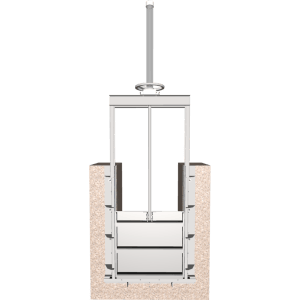
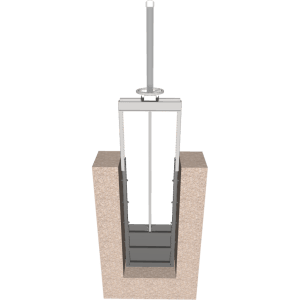
Gate frames can be either embedded in channel walls or mounted to a wall, pipe flange, or wall thimble. Wall thimbles are recommended for applications with high unseating head conditions. We offer flanged frames or flat frames for gates designed to cover square, rectangular, or round openings in concrete structures.
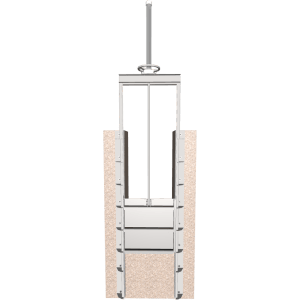


Stainless Steel Sluice Gates | Whipps, Inc.